The biggest cybersecurity blunders that could wreck your business
- Sep 18, 2025
- 4 min read
Updated: Jul 31
Sponsored content: this article was produced by a third-party contributor and does not reflect the views of The Industry Leaders. Editorial & Advertising Policy.
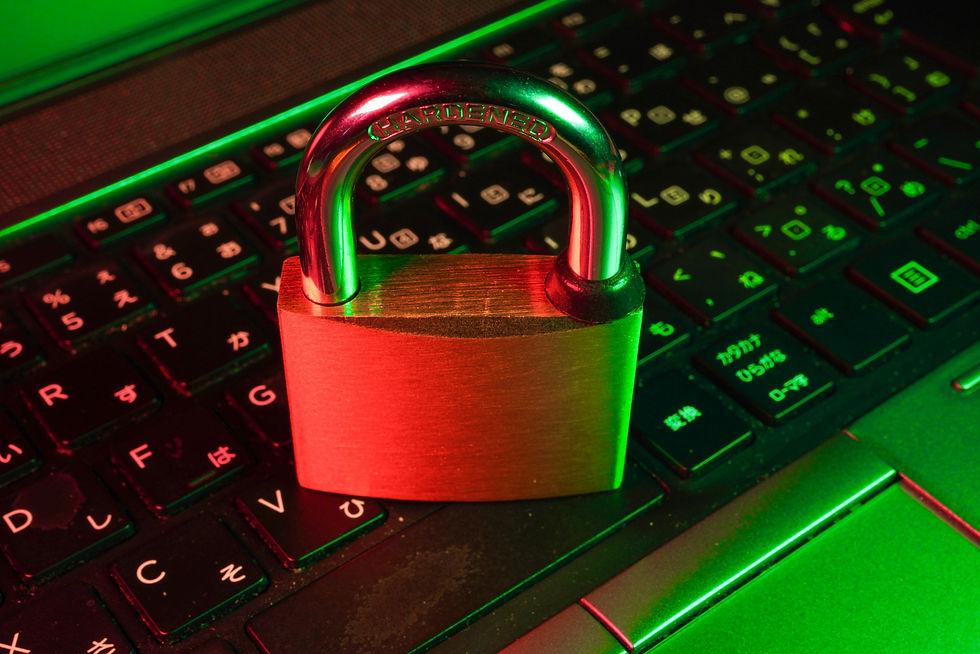
Today, cybersecurity isn’t just a concern of the IT department; it also represents a factor that can make or break a business's long-term success. With cyber attacks becoming more and more sophisticated – and frequent- even a single slip could lead to a data breach, and cause significant financial loss and reputational damage, which is the worst nightmare of any business. Unfortunately, businesses – both smaller and mid-sized- can make cybersecurity mistakes that leave them vulnerable and cost them resources. From underestimating insider threats to misconfiguring cybersecurity, the list of threats is extensive for companies, and it’s crucial not to overlook these, especially in today’s increasingly digitized business environment.
Don’t think your business is too small to be a target, or that if you are utilizing basic antivirus software, that’s enough to keep you safe from cyber threats, because it’s not. Hackers don’t discriminate, and they will target your company, regardless of its size, hunting for security errors that make it easy for them to gain access to your data. So, without further ado, let’s dissect the most frequent mistakes that businesses make – and how to avoid them to safeguard your bottom line.
Using passwords that are too weak
Using “password123” may seem convenient, but it’s a costly mistake, and so is using the same password for several accounts. Attackers rely on automated tools to guess commonly used passwords, and they also use password combinations that they’ve previously stolen. Additionally, if the same password is used across multiple platforms, a single breach can compromise numerous accounts.
We get it – there are things far more important in your business than remembering too many passwords. But what if we told you that you don’t have to? Using a business password manager will enhance your cybersecurity by generating and storing complex, unique passwords for each of your accounts, thereby ensuring that hackers won’t be able to access all your systems even if one account gets compromised. Additionally, they offer an auto-fill feature, eliminating the need to remember passwords, which makes it an effective and secure way to handle your accounts.
Postponing software updates
Overlooking software updates is similar to not fixing a leaky roof because it’s not yet raining. Although it may not seem like a big deal if you click the “remind later” button when it comes to software updates, in reality, this mistake can lead to major issues down the line, like system malfunctions and security vulnerabilities that hackers can easily exploit to conduct malware, ransomware, and data breaches.
It is imperative to avoid this by making automatic updates for all software, including your operating systems, third-party apps, and security software. Moreover, you should update firmware regularly and cloud services to address system weaknesses and prevent unauthorized access.
Using antivirus alone
Antivirus software is an essential layer of defense, but that doesn’t mean you should treat it like your entire security plan. Unfortunately, many businesses make this mistake, leaving a major gap in their defenses. The truth is that nowadays, cyber threats are increasingly complex, meaning they can easily bypass basic antivirus programs with limited security features.
To mitigate this, it’s essential to explore more comprehensive cybersecurity tools that can track threats in real-time, respond promptly, and block any suspicious activity.
Neglecting multi-factor authentication
We’ve mentioned earlier the importance of using complex passwords, but the thing is, you should not rely only on them alone. Instead, add an additional layer of protection by utilizing MFA, or multi-factor authentication, which will help protect you against theft and unauthorized access. This way, even if hackers succeed in stealing passwords, there will be another measure to prevent them from hijacking your systems.
Implement MFA wherever possible, including remote access, email, and admin systems, and ensure it is added to all your business accounts, particularly for finance, leadership, and IT teams. This is a simple yet effective measure that prevents unauthorized logins.
Having poor backup practices
Not backing up your data is a recipe for disaster. Inadvertent deletions, hardware failures, and ransomware attacks can erase all critical information within seconds, and if you don’t have a backup, it’s either extremely costly or impossible to restore it.
While backups won’t prevent a breach, they can significantly reduce costs, recovery time, and information loss. Therefore, ensure that you utilize off-site and encrypted storage, such as external drives or cloud backups, and regularly test them to verify their functionality when needed.
Disregarding employee security awareness training
Thinking that employees will know what to do in the event of a cybersecurity attack without proper training is optimistic. However, many data breaches occur due to user errors. Whether it’s downloading a virus-laden attachment or clicking a link in a phishing email, these actions can compromise an entire network.
This is why you should make training a priority and schedule regular training sessions. They don’t have to be complicated; on the contrary, the simpler they are, the better. Make them relevant and consistent to ensure that team members know how to identify threats and what to do in such circumstances. And keep in mind that cyber threats look different depending on the sector, so make your training industry-specific.
Assuming “It won’t happen to us”
It’s tempting to believe that cyber threats only target large corporations, but that’s just not the case – small and mid-sized businesses can also be a target. With such limited resources in place, being prepared becomes even more critical to mitigate risks and respond effectively in the event of an attack.
No matter the size of your company, it’s essential to take cybersecurity seriously. Be proactive about it, because it’s better and safer. Also, take the time to understand what counts as a breach, because it doesn’t always involve a hacker in your system, and you may be surprised how breaches can happen sometimes. From a software glitch to a careless employee, there are many ways in which your data can be exposed, so look out for all of them, not just the obvious.
The bottom line
Staying ahead of cyber threats is imperative for businesses, and it’s not about having the most high-tech tools in place. Instead, it’s about building a culture of vigilance and smart decision-making. The mistakes outlined in this blog can create dangerous vulnerabilities that cybercriminals can easily exploit, so make sure to address them by following our advice and safeguarding your company’s reputation.