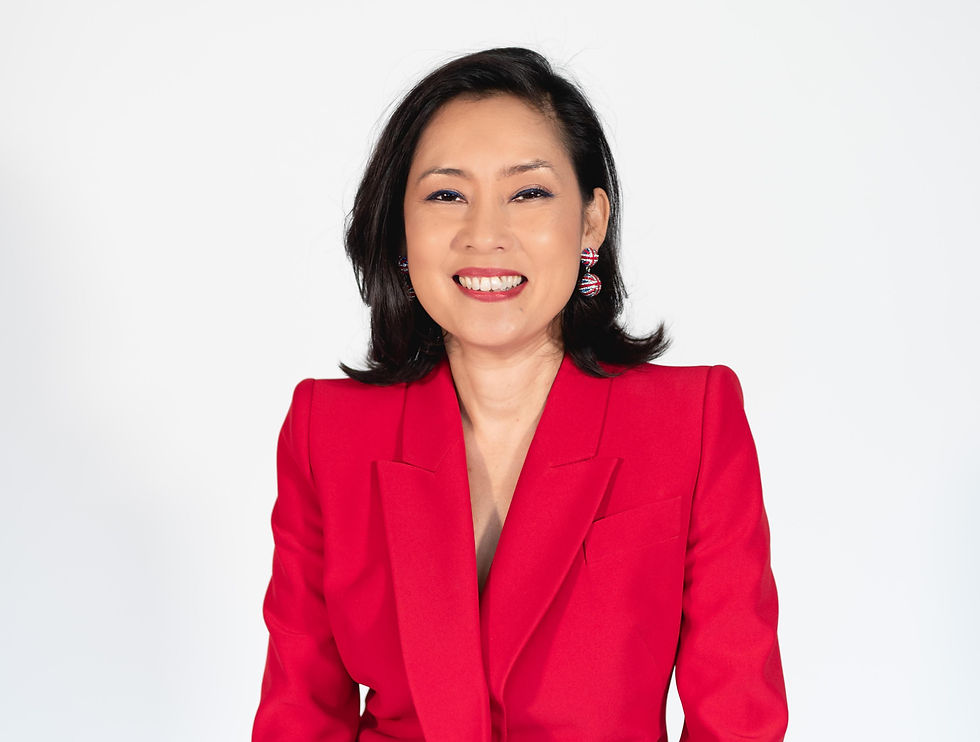
The Future of Hair Restoration – An Interview with Dr Mohamed

As technology and medical innovation reshape the aesthetics sector, hair restoration is rapidly evolving into a highly specialised and data-driven field. From AI-assisted diagnostics to regenerative medicine, the next generation of treatments promises more personalised and predictable results than ever before.
Dr Mohamed, Hair Restoration Expert & Medical Director, at City Clinics, discusses the key trends shaping the future of hair health and what industry leaders should be watching.
What are the most exciting new developments in hair restoration that industry leaders should know about?
Dr Mohamed: The most exciting developments are centred around precision medicine and data-led diagnosis. We are moving away from a one-size-fits-all approach towards highly personalised treatment pathways driven by advanced imaging, AI-supported diagnostics and robotics-assisted analysis.
Improvements in PRP protocols, combination therapies and minimally invasive transplantation techniques are also significantly improving patient outcomes.
At the same time, technology is helping us improve the patient journey by making treatments smoother and more predictable.
How is technology changing the way clinics approach hair loss treatment?
Dr Mohamed:Technology has fundamentally shifted the field from reactive treatment to predictive and preventative care. Modern diagnostic systems allow us to assess scalp health at a microscopic level, track hair loss progression and design highly tailored treatment plans.
This improves consistency and long-term success rates while also giving patients greater confidence through transparency and measurable results.
Are there emerging treatments that could reshape the market in the next five years?
Dr Mohamed: Regenerative medicine is the area to watch. Stem-cell-based therapies, exosome research and developments in bioengineered hair follicles have the potential to transform the field.
Many of these treatments are still in research phases, but the direction suggests that non-surgical regenerative solutions will become increasingly mainstream.
These therapies will complement established surgical techniques rather than replace them.
What are the most common misconceptions about hair restoration?
Dr Mohamed: One of the biggest misconceptions is that hair transplantation is an instant or permanent cure. Hair loss is often progressive and usually requires long-term medical management.
Another common misconception is that over-the-counter products can reverse genetic hair loss. Proper diagnosis is essential because not all hair loss conditions are the same.
How do you balance cosmetic results with medical safety?
Dr Mohamed: Medical safety must always come first. While aesthetic outcomes are important, they should never compromise scalp health or donor integrity.
We prioritise conservative graft planning, realistic hairline design and thorough pre-treatment assessments to ensure long-term success. Ethical practice and evidence-based medicine underpin every cosmetic decision we make.
What advice do you give patients to maintain long-term hair health?
Dr Mohamed: Consistency is key. Post-treatment care plans, medical therapies where appropriate, good scalp hygiene, nutrition and regular follow-ups all play an important role. Hair restoration should be viewed as an ongoing partnership between the patient and clinician rather than a one-off procedure.
How have patient expectations changed in recent years?
Dr Mohamed: Patients today are far more informed. They research extensively, compare clinics internationally and expect natural-looking results with minimal downtime.
There is also a growing expectation of transparency around qualifications, technology and long-term treatment planning.
What role does personalised treatment play in improving outcomes?
Dr Mohamed: Personalisation is central to achieving good results. Hair density, scalp condition, genetics, age and lifestyle all differ from patient to patient. A bespoke treatment plan ensures expectations are realistic and outcomes are achievable. When patients feel understood and involved in the process, satisfaction increases significantly.
How important is patient education in this industry?
Dr Mohamed: Patient education is critical. Informed patients make better decisions and are more likely to follow aftercare guidance. Clear consultations, visual diagnostic tools and realistic forecasting models are particularly effective in helping patients understand their treatment journey.
What lessons can salons, clinics and wellness brands learn from leading hair clinics?
Dr Mohamed: The biggest lesson is the importance of long-term relationship building.
Rather than focusing on transactional services, successful clinics prioritise trust, follow-up care and measurable outcomes. Education and transparency should underpin every client interaction.
How can the wider wellness industry integrate hair health solutions?
Dr Mohamed: Hair health should be seen as part of overall wellbeing. Collaboration between dermatologists, nutritionists, hormone specialists and wellness providers can create more holistic treatment pathways. Integration rather than isolation is the future.
What are the biggest challenges facing hair clinics today?
Dr Mohamed: One of the biggest challenges is the growth of unregulated providers offering low-cost procedures that can compromise safety and results.Industry leaders need to support higher standards, stronger regulation and continued investment in research and innovation.
What separates a good hair clinic from a great one?
Dr Mohamed: A great clinic combines medical expertise, artistic vision, ethical integrity and advanced technology. It doesn’t simply perform procedures — it develops long-term treatment strategies tailored to the individual.
What inspired you to specialise in hair restoration?
Dr Mohamed: Hair loss can have a profound psychological impact. Seeing how restoring hair can rebuild confidence and improve quality of life inspired me to specialise in this field. At City Clinics, what motivates me is combining science, technology and compassionate care to deliver results that genuinely change lives.
What advice would you give aspiring leaders in the hair health industry?
Dr Mohamed: Focus on credibility over popularity. Build genuine expertise, invest in innovation, prioritise patient safety and never compromise ethics for short-term gain. Sustainable success in this industry is built on trust.
Follow Dr Mohamed on Linkedin