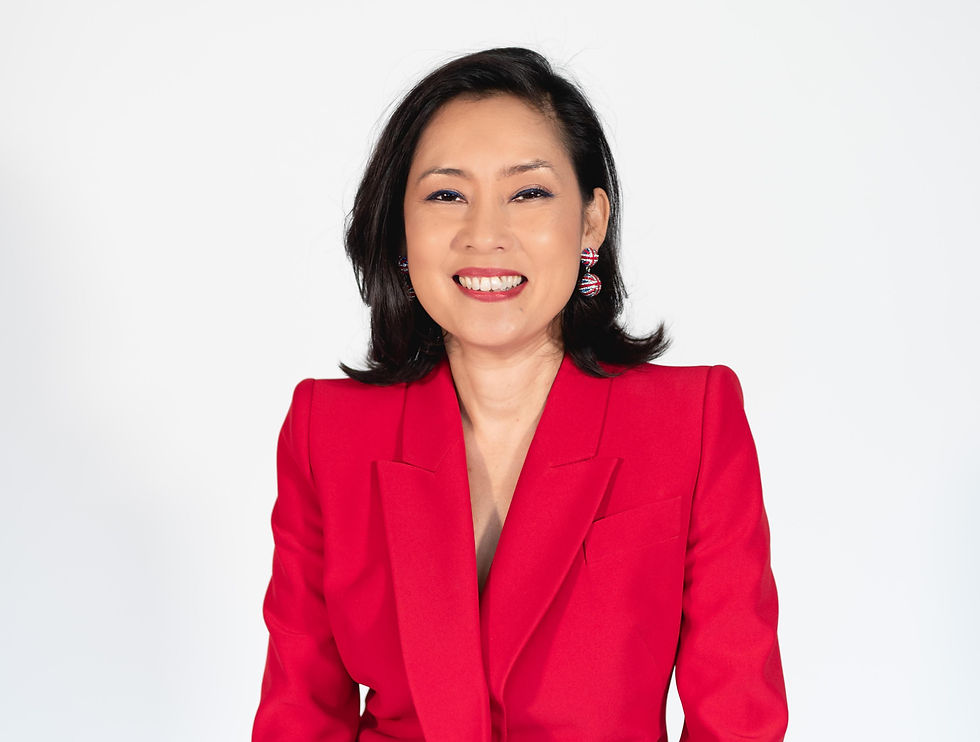
Back to Brilliance: Benny Peverelli on Reinventing LEON, Kitchens That Work, and Hospitality Without Compromise

With nearly three decades in hospitality, Benny Peverelli has helped build, scale, and reset some of the UK’s most influential food concepts. From Nottingham cafés to London institutions, from co-founding Pint Shop to returning to LEON for its next chapter after previous owner John Vincent bought the resturant chain back, his career has been shaped by graft, conviction, and a relentless focus on food that works in the real world. We spoke with Benny to discuss kitchens, culture, leadership, and what it really takes to build sustainable brands.
Q: Your career started in Nottingham cafés and London institutions like L’Odeon and Century. What early lessons shaped your approach to kitchens, teams, and food development?
A: Kitchens taught me graft. An organised kitchen is an organised mind. With teams, it’s about working alongside people and always leading from the front. If a sink needs unblocking or there’s 50kg of cabbage to prep and the team’s stretched, you step in.
Food-wise, Nick Hales was one of my finest mentors. He opened my eyes to simple, stunning regional Italian cooking, the markets of London, and Ballymaloe — and he’s also the person who put me forward for the LEON role.
Q: What drew you to LEON in 2003, when the brand was still being trialled in the founders’ homes, and how did that first chapter influence your later work?
A: Initially, it was the chance to take my first head chef role in a start-up — one run by a prominent London chef, a famous son (sorry), and John Vincent, who was unknown to me until our first meeting in central London. They also promised the hours were 7.30am–4.30pm, which helped.
It was a proper start-up. Our opinions mattered — not just on food, but on everything. I learned about scaling, managing teams across multiple locations, controlling cash, protecting a brand while evolving it, and growing sustainably as a chain with bigger kitchens and support teams.
I also met Rich Holmes, my operations counterpart and future business partner. We later left LEON to raise capital and build Pint Shop — craft beer, charcoal cooking, and modern pubs — with the ambition of opening in every major UK city. We reached Cambridge, Oxford, and Birmingham before Covid hit. We pivoted, closed two, brought one back, and rebuilt under pressure from every angle. Experience doesn’t always mean success — but it does prepare you.
LEON V2 Relaunch
Q: You’ve returned to LEON as part of the team relaunching “LEON V2.” What does a relaunch really mean in practice?
A: No restrictions. It means soul-searching what made LEON great in the first place and reviewing its evolution without pulling punches. Where did it change? Why did it change? Where did it go wrong? Then acting with confidence and conviction — not indecision.
On the menu, it’s about bringing flavour back. Turning the noise down. Getting the core right with no compromises. If we can’t take something from test kitchen to big kitchen and into restaurants in the same state, we don’t bother. Scrap the crap. Be leaders again, focused on brilliance rather than looking left or right. Stop defaulting to easy, obvious options.
Q: In the kitchens, complexity has crept in. They haven’t evolved into slick, organised environments — they’ve just become harder to work in.
A: If we want people to put the love in, we have to remove unnecessary stress. The talent is there — brilliant people — but they’ve been buried under confusion and complexity. A few difficult years have allowed fear to dominate. It needs to feel real again — real people inspired by the vision, by each other and, most importantly, by food.
Q: How do you balance innovation with preserving what makes LEON unmistakably LEON?
A: The core menu has to sing original LEON. Innovation should feel like LEON speaking — not copycat thinking. That means constantly stepping back, reviewing the menu through our food vision and values, and making sure it’s genuinely great food that isn’t compromised.
Q: What are the biggest challenges in restoring clarity, speed, and confidence across a large fast-casual brand?
A: Bureaucracy. Layers have been added because we’ve become “big and respectable.” Timelines now stretch into the horizon. Training and people resources have been stripped back too far and need rebuilding.
Kitchens & Team Culture
Q: You’re known for building kitchens that genuinely work. How does that translate day to day?
A: Design for reality, not theory. Menus, prep, equipment, and rotas have to work on a wet Tuesday with two people off sick. Pride comes from clarity, strong systems, and feeling supported. You test, then test again — and you step back to observe the whole operation, not just one dish.
Q: Where do menu plans most often disconnect from kitchen reality?
A: Cumulative impact. One extra garnish looks fine on paper, but across dozens of sites it becomes chaos. If a dish can’t survive scale without compromise, it doesn’t go on the menu.
Q: How do you create calm in high-pressure environments?
A: Remove unnecessary pressure. Most stress doesn’t come from being busy — it comes from confusion, poor systems, and lack of support. Calm leadership creates calm teams.
Menu & Food Philosophy
Q: How do you approach menu engineering for speed, flow, and identity?
A: You start with identity, then engineer backwards into speed and flow. Every dish has to justify itself for flavour, margin, and operational fit.
Q: How do you balance seasonal innovation with consistency?
A: Innovation should excite, not disrupt. Seasonal dishes should work within existing skills, equipment, and ingredients. Creativity within constraints is the real challenge.
Q: What role does ingredient quality play in your decisions?
A: It’s inseparable from practicality. Great ingredients only matter if they can be cooked properly, consistently, and at scale by real people. If we can’t do them justice, we don’t use them.
Leadership & Vision
Q: What’s guided you as a leader over nearly three decades?
A: Be human. Be present. Don’t bullshit people. Lead from the front, give teams autonomy, take responsibility when things go wrong, and share credit when they go right.
Q: How do you stay visible while relaunching a large operation?
A: You can’t relaunch LEON from a desk. You have to be in kitchens, in service, seeing what works and what doesn’t. Internal visibility matters most — teams need to know leadership understands their challenges and has their back.
Q: What’s your vision for LEON’s future?
A: I want LEON to be referenced for its food again — the salad everyone’s ordering, the pitta you’re expected to have tried by now. A brand others want to be involved with, through initiatives like Friends of LEON.
Industry Perspective
Q: What are the biggest challenges facing fast-casual hospitality today?
A: Rising costs, diluted brands, and the race to become single-site restaurants at scale. Relevance comes from conviction and execution, not trend-chasing.
Q: What advice would you give to those looking to scale their first concept?
A: Protect your core. Get financially literate early. Respect your team. Don’t scale problems — growth amplifies everything, so fix the small stuff first.
Q: How has your view on risk and discipline evolved?
A: I’m braver in my convictions, but far more disciplined in execution. The real risk now isn’t trying — it’s losing focus.
Follow Benny Peverelli: LinkedIn
Follow LEON: Instagram