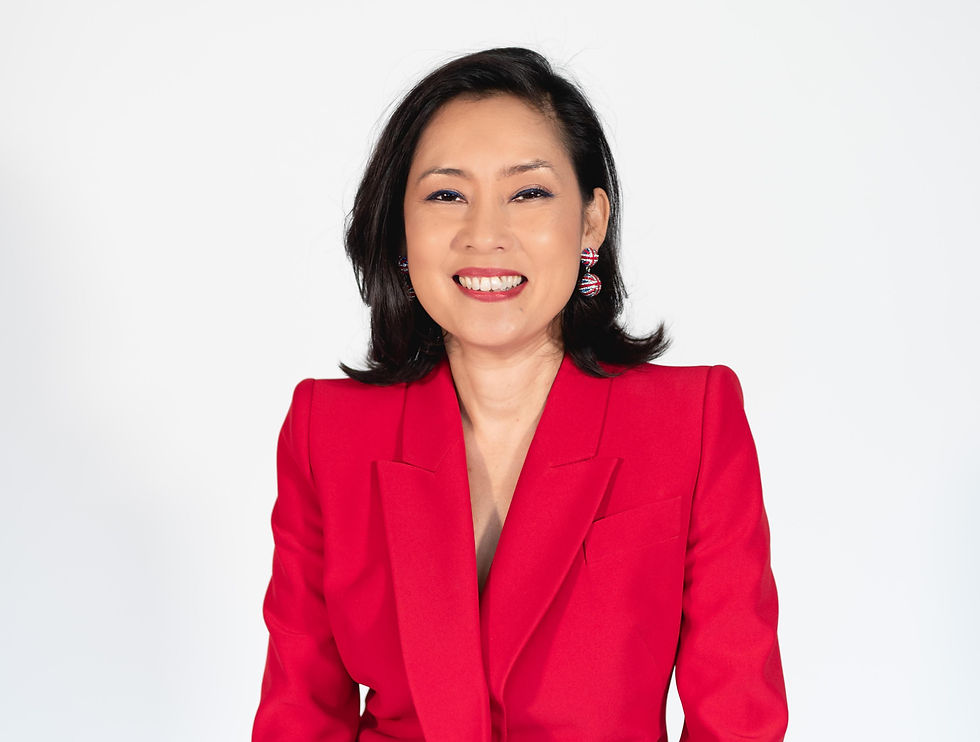
Bridging Worlds: Corina Goetz Talks Gulf-West Business Culture
Corina Goetz is founder and CEO of Star-CaT, she has spent over two decades working closely with Gulf royals, family offices, luxury brands, and corporate executives. Drawing on her formative experiences growing up in East Germany and her career in London’s luxury hospitality sector, Corina combines discipline, empathy, and cultural attunement to guide clients in building trust, credibility, and long-lasting partnerships in the Gulf. Her approach transforms cultural intelligence from a “soft skill” into a strategic advant.

Q: What first sparked your interest in the Gulf region, and how did that curiosity evolve into Star-CaT?
A: My first real exposure to the Gulf came while working at The Dorchester in London. I welcomed guests from Saudi Arabia, Qatar, and the UAE — and I was captivated by the grace with which they approached everything: time, hospitality, conversation. I noticed that while Western companies admired the Gulf’s ambition, few understood how trust and business were built there. That gap became my calling. Over time, that curiosity evolved into Star-CaT, where we help global brands and professionals navigate the Gulf with cultural intelligence and emotional fluency.
Q: Was there a formative moment in your early life that shaped how you lead today?
A: Growing up in East Germany, I experienced borders and limitations firsthand. When the Wall came down, I felt a world opening up before me. That moment taught me that freedom is precious and connection across cultures is invaluable. Later, working in luxury hospitality, I learned that true service isn’t about hierarchy — it’s about attunement: reading silence, sensing emotion, and creating trust. Those lessons now underpin how I lead Star-CaT — blending discipline, emotional intelligence, and openness.
Q: How did you make the shift from hospitality to cultural consultancy?
A: It was gradual, but one conversation crystallised everything. I was helping a British luxury company prepare for a royal visit from a Gulf group. Their products were excellent, but their approach was tone-deaf — too transactional, too rushed. I realised my role was to decode: to teach people how the Gulf builds trust, sees time, and values loyalty. That’s when I left hospitality and built a business focused on cultural fluency as strategy.
Q: Launching Star-CaT must have had its challenges. What were the biggest hurdles?
A: The hardest part wasn’t funding or strategy — it was translation, emotional translation. Many Western companies saw cultural intelligence as optional, “soft” knowledge. I had to prove it could determine whether multimillion-pound deals succeeded. Culturally, trust takes time. You can’t just appear with a service offering; you need to be invited into the conversation. That slow burn taught me to value depth over speed and presence over performance.
One unforgettable moment was a meeting with a European executive in Riyadh. He had a perfect slide deck but interrupted a Gulf minister mid-sentence. The meeting ended politely but abruptly, and the deal stalled. Later, an official said, “He spoke well, but he did not listen.” That was my wake-up call — and the foundation of Star-CaT’s mission.
Q: What differentiates Star-CaT from other consultancies?
A: Most consultancies teach information; we teach intuition. We bridge emotional and strategic dimensions of Gulf business. Our work is not about generic “dos and don’ts,” but decoding why timing, tone, and trust shape every outcome. We blend strategic rigor with the discretion and grace of luxury hospitality. I’ve spent two decades working with royals, high-net-worth families, and major projects. This lived experience allows us to translate from within, not just advise from the outside. Success in the Gulf is about entering a mindset, not just a market.
Q: Can you share a success story where cultural intelligence changed a business outcome?
A: A European company was pitching for one of the last available slots in a major Saudi project. Initially, they were confident in their technical expertise but unprepared culturally. We reworked everything — the deck, the tone, hierarchy, storytelling, and even who spoke when. The result? They secured the contract. Cultural intelligence didn’t change the facts; it changed how those facts were felt. I measure impact by results, relationships, and invitations — when clients are invited back into the room, that’s success.
Q: What has been your toughest professional moment?
A: COVID was a shock. Our value — connection, nuance, hospitality — had to exist through screens. I adapted by creating virtual sessions with cultural kits, interactive storytelling, and even opening each workshop with a Gulf proverb. The lesson was clear: presence isn’t physical; it’s emotional. Relationships built over years sustained us, and adaptability became the new form of hospitality.
Q: How do you maintain your energy and avoid burnout?
A: I live by three principles: rhythm, boundaries, and reflection. I plan around the natural flow of the Gulf week, say no to anything that doesn’t align with my values, and make time to process through journaling, walking, or coffee. Working across cultures is demanding, but it’s also deeply fulfilling when energy is treated as renewable.
Q: Who has influenced your journey?
A: A manager at The Dorchester taught me that excellence is composed, not loud, and respect is the ultimate currency. That lesson extends to my work with high-profile clients: I act as a cultural gatekeeper, protecting dignity, integrity, and trust. Ethical stewardship means saying no as often as yes.
Q: What advice would you give business leaders entering the Gulf?
A: Three key tips:
Build trust before business. Relationships are the currency; invest in connection.
Understand before advising. Learn the history, hierarchy, and rhythm — then become part of the vision.
Make it about them, not you. Serve their people, goals, and legacy, and doors open naturally.
And above all: listen before you speak. Sincerity and humility matter more than strategy.
Q: Looking forward, where do you see Star-CaT in five years?
A: I want Star-CaT to be the global benchmark for cultural strategy in the Gulf. Personally, I hope my legacy inspires young people, especially those from modest or divided beginnings, to lead with empathy, travel with curiosity, and see culture as power. Legacy is impact that outlives your voice.
Q: How can readers follow your work?
A: You can find insights and resources at www.star-cat.co.uk. I also publish Middle East Insights, a weekly newsletter sharing Gulf business culture, etiquette, and leadership stories. You can subscribe via the website or follow me on LinkedIn for updates.