Jeff Laino on Family Business, Hockey Roots, and a Career Built One Skill at a Time
Updated: Jul 31
Sponsored content: this article was produced by a third-party contributor and does not reflect the views of The Industry Leaders. Editorial & Advertising Policy.
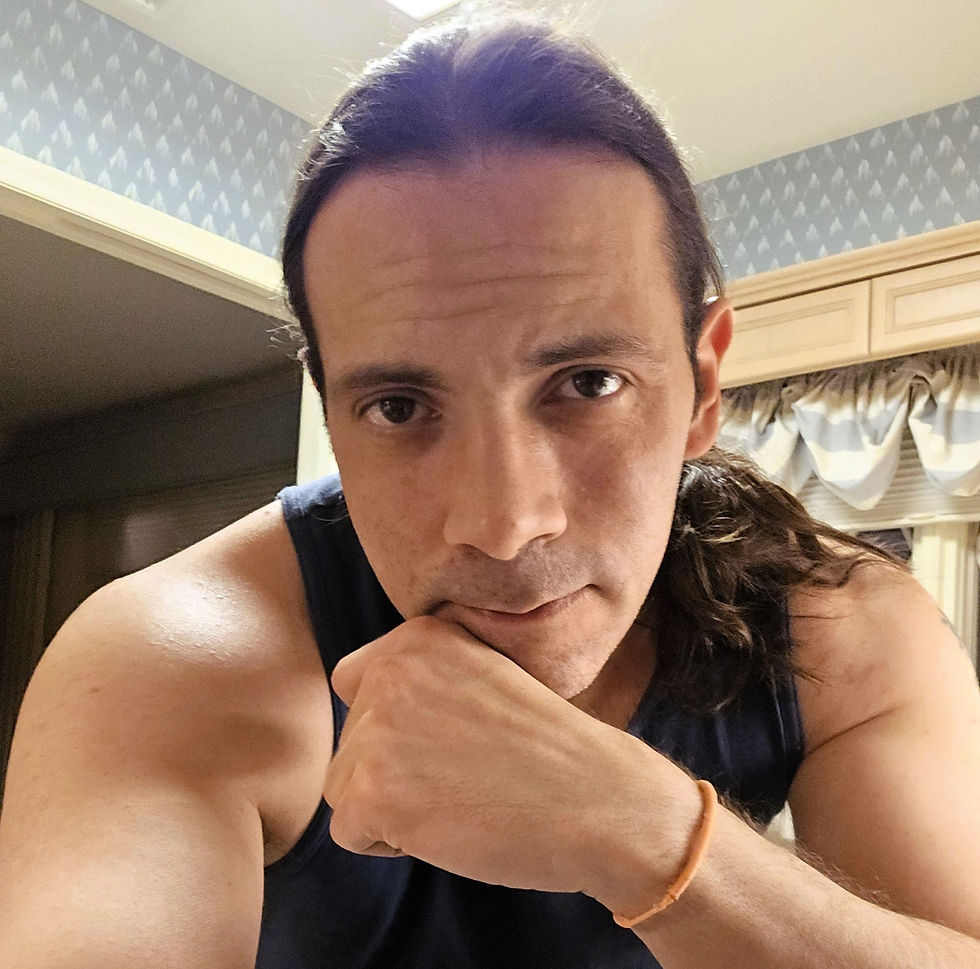
Jeffrey “Jeff” Laino is a New Jersey native who has spent more than two decades growing alongside his family's manufacturing business in Bergen County. Today he works as a CNC programmer and operator at Architectural Window Manufacturing Corporation, the company his grandfather founded in the 1950s. A Ramapo College graduate with a background in information systems, Jeff has worn many hats inside the company, from inventory systems work to running machines on the production floor. Outside of work, he is a former competitive roller hockey player, a devoted reader, and a lifelong New York Rangers fan.
1. Take us back to the beginning. How did your career actually start?
My first real job was at a roller rink in Montvale when I was about fifteen. I worked as a skate guard and helped run parties on the weekends. It sounds small, but it taught me how to talk to people, how to handle a crowd, and how to stay calm when things got hectic. I had been skating and playing hockey for years by then, so the rink felt like a second home. Looking back, those two years shaped how I show up at work even now. You learn pretty quickly that being dependable matters more than being impressive.
2. You eventually joined your family's business. What was that transition like?
I started at Architectural Window Manufacturing in 1999, the same year I graduated from Bergen Catholic. The company was founded by my grandfather back in the 1950s, so there is a lot of history in the walls. When I came on, I was still studying information systems at Ramapo College, and the first thing I helped with was developing a part numbering scheme and putting together an inventory management system. That eventually grew into setting up a bar code system for the stock room and material acquisition. It was a great way to apply what I was learning in school directly to a real business with real problems. But after a while, I started feeling like I was only seeing one slice of the operation. I wanted to understand the mechanical side, the actual production floor, because that is the heart of what we do. So I asked to be moved into a role where I could learn the manufacturing side from the ground up.
3. What does your current role look like day to day?
These days, I program and operate the Emmegi CNC machines on the factory side. CNC work is part craft and part code. You are writing instructions that tell the machine exactly how to cut, drill, and shape material, and the tolerances are tight. There is no room for sloppy thinking. What I like about it is that it pulls on both sides of my brain. The technical background from college helps me think through the programming, and the hands-on aspect keeps me grounded in what is actually being built. Every job teaches me something new about the product and the process.
4. You had a serious athletic career in roller hockey. Can you tell us about that?
Roller hockey was a huge part of my life from childhood through my twenties. I played with a team called the Montvale Rage, and we traveled all over the East Coast for tournaments. In 1996 we won the US Junior Olympics National Championship, which is still one of the proudest things I have been part of. I also played at the Inline Skating Club of America rink in Wallington, where we picked up a handful of league championships across different teams. What people do not always realize about competitive hockey is how much of it is mental. You have to read the play before it happens, communicate without thinking, and trust the guys around you. I grew up watching the New York Rangers, and I still follow the NHL closely. There is something about hockey that gets into you and never quite leaves.
5. Do those sports lessons translate to your work today?
Constantly. Manufacturing is a team sport, too. If one person on the floor is off, the whole job slows down. I learned how to be a good teammate on the rink long before I learned it in a workplace, and that has carried me a long way.
6. You have mentioned that you read a lot. What draws you to books?
Fiction and poetry mostly. I have always been a reader, and over the last few years I started collecting rare books in a small way. Nothing too serious yet, but I enjoy hunting for interesting titles. I would also like to write something of my own one day. I am not sure what it will look like, maybe short fiction, maybe something longer, but the idea has been sitting with me for a while now. Reading and writing have a way of slowing your thinking down in a good way.
7. Gaming is also one of your interests. How does that fit in?
It is honestly just a great way to decompress. After a long day of programming and running machines, sitting down with a game lets my brain switch gears completely. The computer background helps too. I tend to enjoy games that have some depth to them rather than anything too fast or repetitive.
8. You have gotten more serious about weightlifting recently. What changed?
I have been into fitness my whole life because of hockey and other sports, but in the last couple of years, I started putting more structured time into lifting. Part of it was wanting a new physical challenge once I was no longer competing at the level I used to. The other part was realizing that staying strong is going to matter more, not less, as I get older. There is something satisfying about a discipline where you can measure your own progress week by week. You either lifted the weight or you did not. That kind of clarity is rare in life, and I appreciate it.
9. Where do you see your role at the company heading over the next several years?
My long-term goal is to learn as many parts of the business as possible. I started on the systems and inventory side. I am now deep into CNC programming and operations, and I want to keep expanding from there. Whether that means more time in production, getting involved in purchasing, or working closer to the design and engineering side, I am open to it. A family business is only as strong as the people who really understand how it works, and the only way to understand it is to put in the time at every station. My grandfather built something meaningful, and I take the responsibility of carrying that forward seriously. I would rather move slowly and learn well than chase a title I have not earned. If I can become a person the company genuinely relies on across multiple functions, that is a win for me.
10. What advice would you offer to someone earlier in their career?
Be patient and stay curious. The people who plateau are usually the ones who stopped learning once they got comfortable. Ask for the harder assignment. Volunteer for the thing you do not understand yet. Almost everything good in my career has come from raising my hand for something I was not quite ready for, and then figuring it out.